Defining Utility in Miniature Painting
To most people in this hobby, a miniature is a game piece. This isnt a good or bad thing, the opinion has no moral value. However that assumption is immediately broken by artwork such as busts and dioramas. Most Aspects of the miniature hobby are more of a sliding scale, “Utility” in this regard is different, almost existing as a toggle switch. A piece either has utility or it doesn't. Can you use it as a gaming model? If yes, that piece has utility. If you can't, it doesn't.
So why would we bother assigning the Utility of a model.. We define it to set the expectations of the work we have put into it upon reflection. When we assign value to our own effort it’s healthy to remember the use case. Something that is made to impart emotions on to someone can be looked at differently than a player character or monster from a random encounter that is intended for a game.
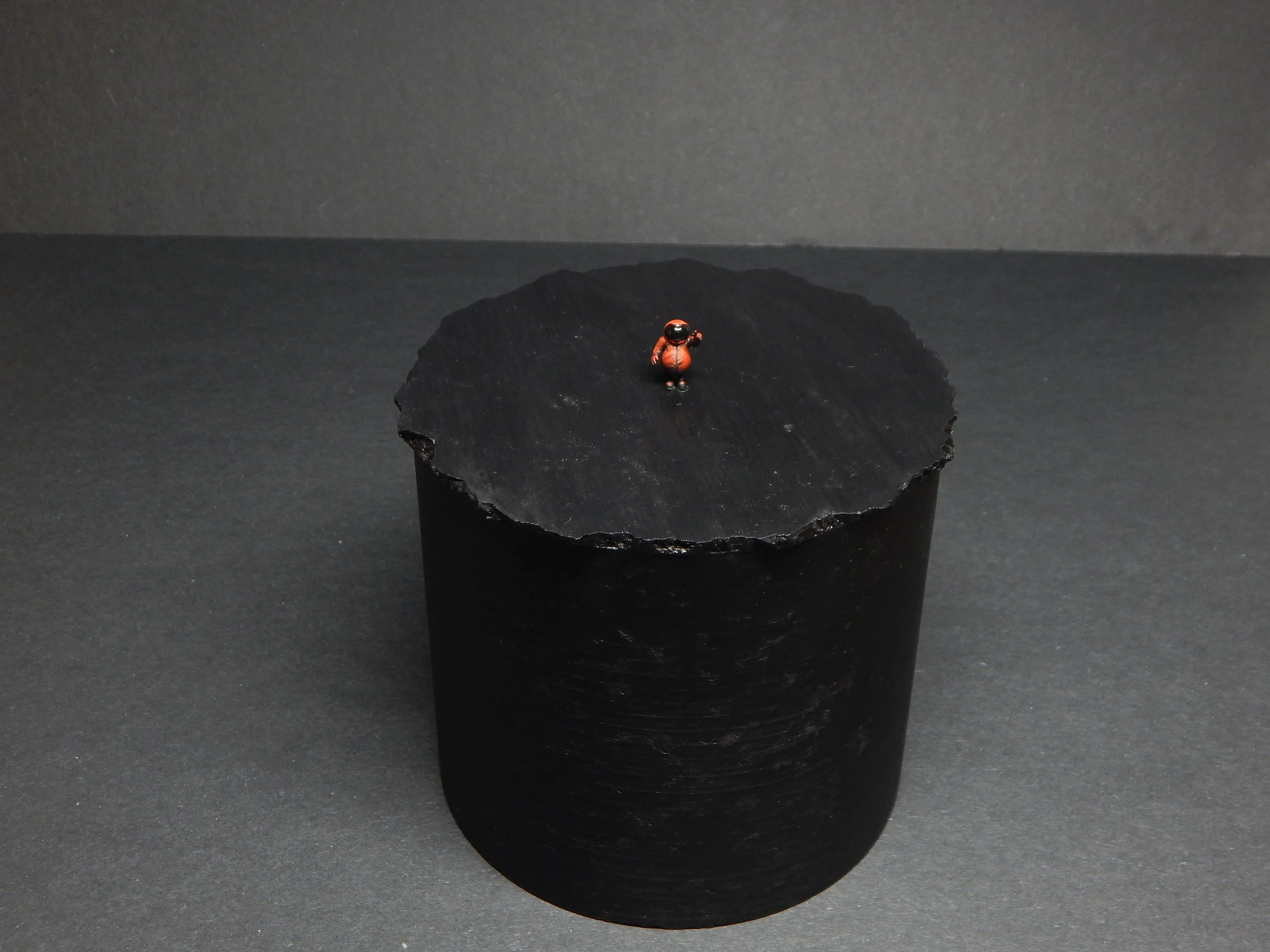
My piece “Alone” has zero utility. It was not conceived, assembled, or painted with any intention of it even being near a gaming table. The plinth which is integral to the artwork comes in at seven and a half pounds. It’s made of granite that was removed from a person's gravestone (I have my connections). The use case was to try and convey the feelings of isolation that occur when one is overcome by grief and depression. I never once thought of it touching the table. No rulers, no dice, no dm screen. It is ideologically removed from a vast portion of the hobby.
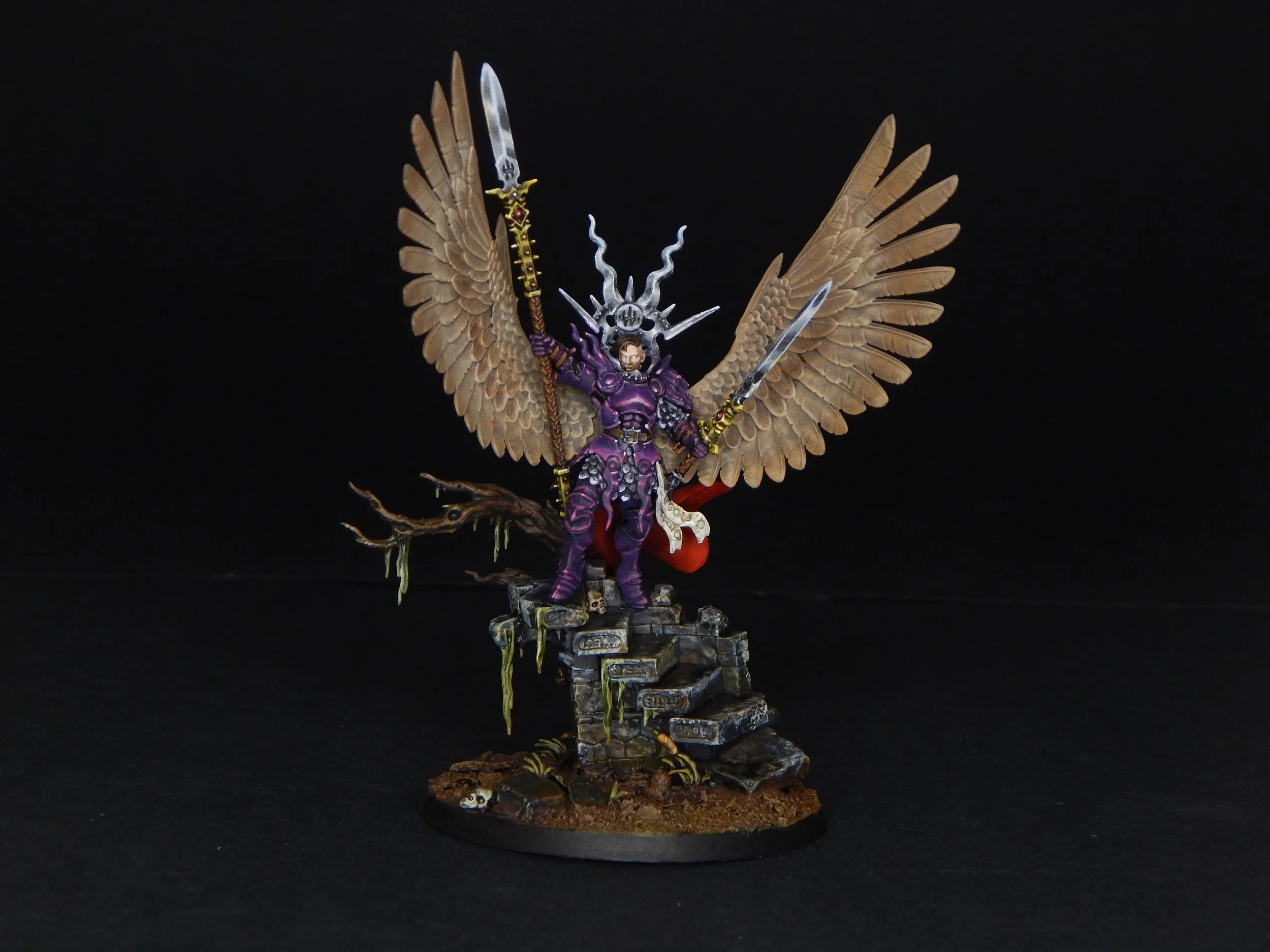
I also have hundreds of gaming models that have bases measured in millimeters. Models with magnets on the bottom of the bases for easier transport. They are literally built different. I have still put effort into them, sure, effort that was weighed. A piece with higher utility will get handled more often, it will get broken, but it will also be put on the table with a hope that your opponent or teammate thinks you did a good job as they stare at it from 2 feet away
Restriction can also fuel creativity. To require a high utility in a model can reign a piece in and force choices to keep conversions within a scope of gameplay optimization. The opposite is also true. When you choose to put a model on a plinth you are telling yourself the piece is removed from the normal circumstances. It wont have to dodge dice and dorito fingers. It is open to excruciating devotion without the fear of idle and clumsy hands. This can open the artist up to spending more time on a model, trying new techniques and pushing themselves.
Overall the use case determines whether a model has an inherent utility. It’s a choice we often make without realizing it as the baseline is often found in a game's rules. Whether a piece falls onto either side of the coin, new parameters are set and it is then the artist's decisions to follow established rules or rebel against them. These are all just falsehood masquerading as truths. After all, models on gaming bases win awards, and there is nothing holding me back from having my players fight a very tiny astronaut on a giant pillar of stone.
These articles are made possible by our Patrons over on Patreon. Join the sticker club!
